
Introduction
Craving a bowl of warmth and flavor? This easy 30-minute Asian Noodle Soup is your answer! It brings comforting, aromatic broth and tender noodles to your table in no time. Perfect for busy weeknights, this recipe is naturally vegan and offers simple swaps for gluten-free and oil-free preferences. Get ready for a deeply satisfying, customizable meal that truly delights with every spoonful. This is the ultimate quick asian noodle soup recipe for beginners!
Why You’ll Love This Asian Noodle Soup
- Quick & Easy: Have a steaming bowl of asian noodle soup ready in under 30 minutes, ideal for busy schedules.
- Rich Flavor: Enjoy a deeply aromatic broth infused with fresh ginger and garlic, creating an irresistible taste.
- Healthy & Hearty: This soup is packed with vibrant, fresh vegetables, offering a nourishing and filling meal.
- Customizable: Easily adapt the ingredients to suit your personal preferences or whatever you have on hand.
- Dietary Friendly: It’s naturally vegan, and simple substitutions make it effortless to be gluten-free and oil-free.
- Comforting: Experience the ultimate cozy and satisfying meal, perfect for any time you need a little warmth.
Ingredients
Gather these simple ingredients to create your own wonderful bowl of asian noodle soup:
- 1 medium carrot
- 5 oz. mushrooms (cremini, shiitake, or white button)
- 3-4 cloves garlic
- 1 Tbsp. ginger, freshly grated
- 5 green onions
- 2 cups savoy cabbage
- 6 cups vegetable broth (or more as desired)
- 1 1/2 Tbsp. tamari (or soy sauce)
- 2 tsp. rice vinegar (unseasoned)
- 4-5 oz. ramen noodles* (gluten-free if needed)
- Toppings (optional): mung bean sprouts, sesame seeds, cilantro, sriracha, extra green onions
Notes & Substitutions
For the mushrooms, cremini (baby bella) mushrooms offer a robust, earthy flavor. Learn more about the unique culinary attributes and versatility of Shiitake Mushroom Benefits and Culinary Uses. Shiitake mushrooms lend an authentic umami depth, while simple white button mushrooms work well too. Feel free to use what you prefer or have available. If savoy cabbage isn’t handy, Napa cabbage provides a similar texture and mild taste, or you can stir in fresh spinach or baby bok choy towards the end of cooking for a vibrant green touch.
Discover the diverse world of Asian noodle styles and find the perfect match for your soup preferences in this Guide to Asian Noodle Varieties. When it comes to noodles, ramen is classic for this asian noodle soup, but udon noodles offer a chewier bite, soba noodles provide a nutty flavor, and thin rice noodles are great for a lighter option. Always ensure your tamari is gluten-free if needed, as standard soy sauce contains wheat. To make this soup oil-free, simply sauté your vegetables using a splash of vegetable broth or water instead of oil.
Equipment
Making this simple soup requires just a few basic kitchen tools. You will need a large stockpot or Dutch oven to comfortably hold all the ingredients. A cutting board and sharp knife are essential for preparing your vegetables. A grater helps you get perfectly minced ginger, enhancing the broth’s flavor. Finally, a ladle makes serving your steaming hot bowls of soup easy and mess-free.
How to Make Easy Asian Noodle Soup (Instructions)
Making this comforting asian noodle soup is straightforward and quick, perfect for beginners. Follow these steps for a delicious meal.
- Prepare vegetables: Start by preparing all your fresh vegetables. Thinly slice the carrot into rounds or matchsticks. Slice the mushrooms (cremini, shiitake, or white button) into even pieces. Mince the garlic cloves finely and grate the fresh ginger using a microplane or fine grater. Slice the green onions, separating the white and light green parts from the dark green tops. Lastly, thinly slice the savoy cabbage. Having all your vegetables prepped and ready ensures a smooth cooking process for your asian noodle soup.
- Sauté aromatics & firm vegetables: Place a large stockpot or Dutch oven over medium-high heat. Once hot, add the sliced carrots and mushrooms. Sauté for approximately 5-6 minutes, stirring occasionally, until the carrots begin to soften slightly and the mushrooms release their moisture and start to brown. If you are opting for an oil-free sauté, use about 3 tablespoons of vegetable broth or water to prevent sticking, adding more as needed to keep the vegetables from drying out.
- Add garlic, ginger, and green onions: Once the carrots and mushrooms are tender, add the minced garlic, grated ginger, and the white and light green parts of the sliced green onions to the pot. Stir well and sauté for just 1 minute. This short sauté time allows the aromatics to become incredibly fragrant without burning, building a flavorful foundation for your delicious asian noodle soup.
- Stir in cabbage: Next, add the thinly sliced savoy cabbage to the pot. Stir it in with the other vegetables and sauté for another 1-2 minutes. The cabbage will begin to wilt slightly and turn a vibrant green, integrating its subtle sweetness into the mix.
- Build the broth: Pour in the 6 cups of vegetable broth, along with the tamari (or soy sauce) and rice vinegar. Give everything a good stir to combine all the flavors. Increase the heat slightly and bring the mixture to a gentle boil. The broth is now ready to infuse with all the wonderful ingredients.
- Add noodles: Once the broth reaches a light boil, carefully submerge the ramen noodles into the simmering liquid. Break them apart if necessary to fit them into the pot.
- Simmer to cook: Reduce the heat to a gentle simmer and cook the noodles for 5-10 minutes, or until they are tender. The exact cooking time will depend on the type of ramen noodles you are using, so follow the package directions for best results. Keep an eye on them to prevent overcooking.
- Taste and adjust: Carefully taste the broth. This is your chance to adjust the seasonings. You might want to add a little more tamari for saltiness, a splash more rice vinegar for tang, or even a pinch of black pepper if desired. Once seasoned to your preference, your easy homemade asian noodle soup is ready to be served hot!
Pro Tips for the Best Asian Noodle Soup
- Fresh Ingredients: Always use fresh garlic and ginger for the most vibrant and aromatic flavor in your broth. Pre-minced versions won’t provide the same depth.
- Don’t Overcook Noodles: Cook your ramen noodles just until they are al dente. Mushy noodles can ruin the texture of your asian noodle soup.
- Prevent Soggy Noodles: For the best texture, especially if you anticipate leftovers, consider cooking the ramen noodles separately. You can then add them to individual bowls right before serving. This keeps the noodles perfectly firm.
- Layer Flavors: Sautéing the aromatics like garlic and ginger before adding liquids is crucial. This step builds a complex depth of flavor that permeates the entire soup.
- Adjust Spice: Personalize your bowl by adding a dash of sriracha, a sprinkle of red chili flakes, or a swirl of chili oil right before serving if you enjoy a spicy kick.
Troubleshooting Common Mistakes
- Bland Broth: If your broth lacks flavor, taste it again. You likely need more seasoning. Gradually add another splash of tamari for umami and saltiness, or a pinch of salt. A tiny bit more rice vinegar can also brighten the overall taste of your asian noodle soup.
- Overcooked Noodles: This is a common issue. To avoid it, always cook noodles according to package directions and immediately remove them from the heat once tender. Cooking them separately and adding them to hot broth just before eating is the safest bet for perfect texture.
- Soggy Vegetables: To maintain a pleasant crunch and vibrant color in more delicate vegetables like spinach or bok choy, add them in during the last 1-2 minutes of simmering, or even stir them into individual bowls as you serve.
Serving, Storage & Variations
This versatile asian noodle soup is fantastic on its own, but these suggestions can elevate your meal.
Serving Suggestions
Elevate your asian noodle soup with an array of fresh garnishes. Sprinkle with fresh cilantro, crunchy mung bean sprouts, a dash of toasted sesame seeds, or extra thinly sliced green onions for color and texture. For a protein boost, top your bowl with crispy baked tofu cubes, a handful of edamame, or savory tempeh. If you enjoy a bit of heat, serve with a side of sriracha or a drizzle of chili oil, allowing everyone to customize their spice level.
Storage Instructions
Once cooled, transfer your leftover asian noodle soup to an airtight container. It will keep well in the refrigerator for 3-4 days. When you are ready to enjoy it again, gently reheat the soup on the stovetop over medium heat until warmed through, or use your microwave. For the best texture and to prevent the noodles from becoming mushy, we highly recommend storing the cooked noodles and the broth separately. This way, you can combine them just before reheating and serving.
Flavor & Ingredient Variations
Feel free to get creative with your asian noodle soup! Introduce other vegetables like crisp bok choy, tender broccoli florets, or vibrant snow peas for added nutrients and crunch. Boost the protein with different sources such as steamed edamame, shredded cooked chicken, or even a perfectly poached or soft-boiled egg. For an extra layer of savory depth and umami, stir in a tablespoon of white miso paste right at the very end of cooking (do not boil miso). If you’re not keeping the recipe oil-free, a tiny drizzle of toasted sesame oil over individual bowls adds a wonderful nutty richness.
Nutrition Information
This hearty asian noodle soup offers a wholesome and balanced meal. Each serving provides approximately 255 calories, with a modest 7g of fat and a significant 9g of protein, contributing to satiety. It’s also a good source of fiber, providing 4g per serving, and packed with essential vitamins like Vitamin A (4903 IU) and Vitamin C (22 mg) from the fresh vegetables. This makes it a great choice for a nutritious and healthy option. Please note, nutritional values are estimates and can vary based on specific ingredients and brands used.
| Nutrition | Value |
|---|---|
| Calories | 255 kcal |
| Fat | 7 g |
| Saturated Fat | 3 g |
| Polyunsaturated Fat | 1 g |
| Monounsaturated Fat | 3 g |
| Potassium | 495 mg |
| Carbohydrates | 42 g |
| Fiber | 4 g |
| Sugar | 8 g |
| Protein | 9 g |
| Vitamin A | 4903 IU |
| Vitamin C | 22 mg |
| Calcium | 59 mg |
| Iron | 3 mg |
Frequently Asked Questions (FAQ)
- Can I make this soup ahead of time? Absolutely! You can prepare the broth and vegetables ahead. For best results with your asian noodle soup, cook the noodles separately just before serving.
- What kind of noodles work best? Ramen noodles are ideal for this recipe. However, udon, soba, or thin rice noodles also make excellent substitutes, depending on your preference.
- Is this soup spicy? As written, this asian noodle soup is not spicy. You can easily add sriracha, chili flakes, or chili oil to your bowl for an enjoyable kick.
- How can I add more protein to this recipe? For extra protein, stir in cooked edamame, baked tofu, tempeh, or even a poached egg directly into your serving bowl.
- Can I freeze Asian noodle soup? We do not recommend freezing the soup with the noodles already in it, as they can become mushy. You can freeze the broth and vegetables, then cook fresh noodles when reheating.
Conclusion
This Easy 30-Minute Asian Noodle Soup truly delivers on its promise: a comforting, flavorful meal that’s incredibly quick to prepare. Its rich, aromatic broth and tender vegetables make it a household favorite, perfect for busy parents and beginners alike. We encourage you to try this recipe, customize it with your favorite ingredients, and discover just how simple and satisfying homemade asian noodle soup can be. Enjoy creating your own warm, nourishing bowl tonight!
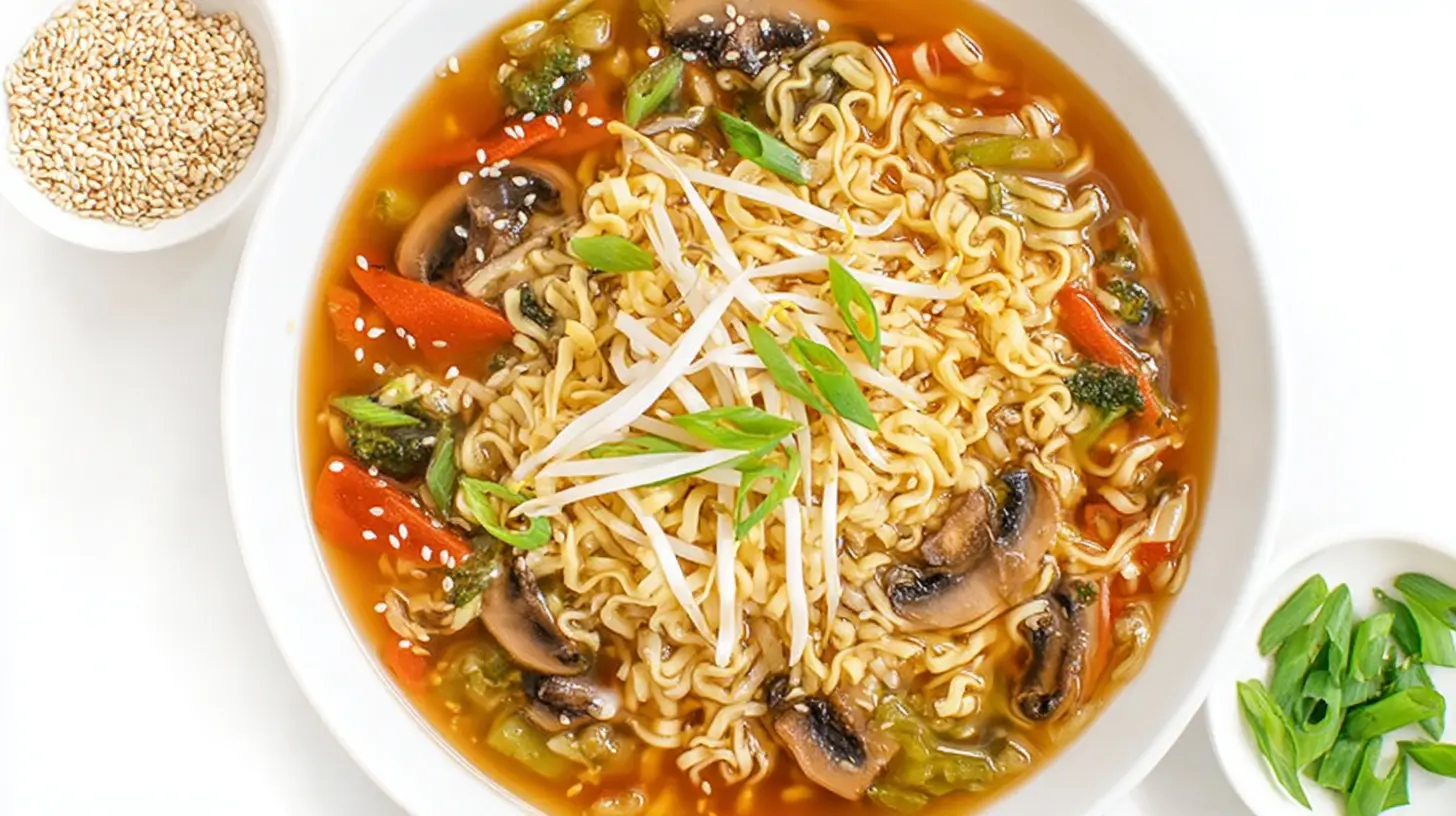
Easy 30-Minute Asian Noodle Soup (Vegan & Gluten-Free Options)
Ingredients
Equipment
Method
- Slice carrot, mushrooms, and green onions; mince garlic and grate ginger; thinly slice cabbage.
- Sauté carrot and mushroom in a stockpot over medium-high heat for 5-6 minutes, optionally using broth/water for oil-free cooking.
- Add garlic, ginger, and green onions; stir and sauté for 1 minute until fragrant.
- Stir in cabbage and sauté for 1-2 more minutes.
- Pour in broth, tamari, and rice vinegar; bring to a light boil, then add ramen noodles.
- Simmer for 5-10 minutes or until noodles are cooked to your liking.